Educational product overview • Dietary supplements are not a substitute for professional eye care
Daily Vision Wellness

VisiFlora Supplement for Daily Eye Health Support

A practical, balanced look at an eye-focused dietary supplement designed to complement daily wellness with antioxidants, vitamins, and vision-support nutrients. Explore what the formula is intended to do, what realistic expectations look like, and how it may fit alongside healthy eye-care habits.

Always review the current product label before starting any supplement.
VisiFlora supplement for daily eye health support
👁️ Eye-Focused Nutrition Designed for daily wellness
🌿 Plant-Based Nutrients Part of the formula approach
🛡️ Antioxidant Support Relevant to oxidative stress
📖 Balanced Guide No guaranteed outcomes
Product Overview

What is VisiFlora?

VisiFlora is presented as a dietary supplement created for adults interested in supporting eye wellness through nutrition. Its overall concept is straightforward: provide a combination of antioxidant and vision-focused nutrients in a repeatable daily routine rather than relying on a single isolated ingredient.

This distinction matters because healthy vision is influenced by many factors. Age, overall nutrition, smoking, metabolic health, sunlight exposure, screen habits, sleep, existing eye conditions, medications, and genetics can all shape a person's experience. A supplement can therefore be considered one optional part of a broader wellness strategy, not a replacement for comprehensive eye care.

The product information associated with VisiFlora highlights ingredients such as lutein, zeaxanthin, astaxanthin, vitamin C, and vitamin E. These nutrients are commonly discussed in the context of antioxidant nutrition and eye-focused dietary patterns. Their presence does not mean every user will experience the same outcome, and it is sensible to evaluate the complete current label before purchase.

At a glance

VisiFlora is best understood as a nutritional eye-support supplement. It may appeal to adults who want a structured daily supplement routine, but it should not be presented as a cure for eye disease, a substitute for glasses, or an alternative to professional assessment of new vision symptoms.

Healthy daily lifestyle supporting long-term eye wellness
Daily eye wellness is broader than supplementation alone and includes nutrition, appropriate screen habits, and routine care.
Modern Eye Wellness

Why daily eye support deserves a broader view

Eyes are used continuously for close work, driving, reading, navigation, and digital tasks. A sensible routine addresses the surrounding habits as well as nutritional choices.

01

Long periods of near focus

Computer work and phone use can involve sustained close focusing. Regular pauses, comfortable viewing distance, appropriate lighting, and conscious blinking can be practical parts of a screen routine.

02

Nutrition changes over time

Busy schedules can make dietary consistency difficult. Supplements are often chosen to complement food intake, although they should not be assumed to compensate for an otherwise poor diet.

03

Oxidative stress is part of the discussion

Antioxidants help explain why nutrients such as carotenoids and certain vitamins appear in many eye-focused formulas. Their role should still be discussed with realistic expectations.

04

Eye needs vary by individual

A person with mild end-of-day screen discomfort has different needs from someone experiencing sudden flashes, pain, double vision, or meaningful loss of vision.

05

Consistency is more practical than hype

Nutritional wellness strategies are generally built around sustainable habits. Constantly switching products or expecting overnight transformation is rarely a sound approach.

06

Professional care still matters

Routine examinations can assess issues that a supplement cannot diagnose. Persistent or worsening visual changes deserve qualified professional attention rather than self-treatment.

Formula Perspective

A closer look at key nutrients highlighted with VisiFlora

The following discussion explains the general nutritional relevance of ingredients highlighted in the product information. It does not promise that the supplement will prevent, reverse, or treat an eye condition.

Lutein

Lutein is a carotenoid frequently associated with eye nutrition. It is concentrated in ocular tissues and is commonly paired with zeaxanthin in dietary supplements. Its inclusion gives the formula a recognizable macular-nutrition focus.

Zeaxanthin

Zeaxanthin is another carotenoid relevant to discussions of macular pigment and visual nutrition. It often appears alongside lutein because the two nutrients are considered complementary within eye-focused formulations.

Astaxanthin

Astaxanthin is a carotenoid antioxidant used in a range of wellness products. In an eye-support formula, its presence contributes to the broader antioxidant strategy rather than serving as evidence of a guaranteed visual result.

Vitamin C

Vitamin C is an essential nutrient with antioxidant functions in the body. Its value should be viewed within total dietary intake, because more is not automatically better and individual needs can differ.

Vitamin E

Vitamin E is a fat-soluble nutrient involved in antioxidant protection. Because it is fat-soluble and can be relevant to medication considerations, checking the label and discussing high supplemental intake with a professional can be sensible.

Combined nutritional approach

The practical appeal of a multi-nutrient product is convenience: several ingredients are placed into one routine. The meaningful questions remain the exact amounts, serving instructions, personal diet, health history, and compatibility with other supplements.

Review Current Product Information →
How to Think About It

How does VisiFlora fit into daily eye health support?

The most reasonable way to understand VisiFlora is through nutritional support rather than a dramatic “before and after” narrative. The eyes are metabolically active structures, and good nutrition is one part of maintaining general health. A formula containing carotenoids, antioxidants, and vitamins is designed around that principle.

First, carotenoids such as lutein and zeaxanthin are relevant to eye-focused nutrition. This helps explain why they are commonly included in vision supplements. Second, antioxidant nutrients are intended to contribute to the body's normal defenses against oxidative processes. Third, a capsule-based routine can make consistency easier for people who prefer a predefined serving rather than assembling several separate products.

None of these points establishes that one product will restore lost eyesight or produce the same experience for everyone. The outcome of any supplement routine can be influenced by baseline nutrient status, age, diet, adherence, diagnosed conditions, medications, and many other variables.

It is also important to separate ordinary wellness concerns from symptoms that require evaluation. Eye pain, sudden loss of vision, a new curtain-like shadow, sudden flashes or a rapid increase in floaters, injury, or other abrupt changes should not be managed by simply adding a supplement. Timely professional assessment is the more appropriate response.

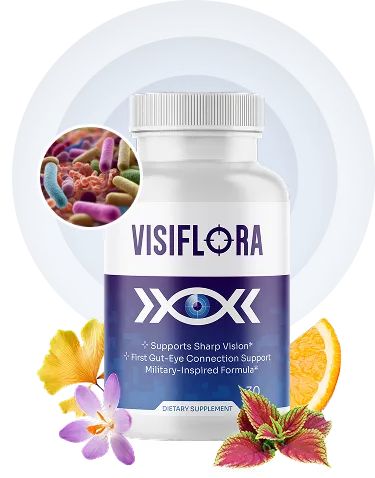
VisiFlora supplement product image
Practical Routine

A sensible way to approach daily use

Because formulations and directions can change, the current package label should remain the primary reference for serving instructions.

1

Read the entire current label

Check the serving size, ingredient amounts, other ingredients, allergen information, warnings, and storage directions before beginning.

2

Follow the labeled serving

Do not assume that taking more creates better support. Excessive intake can increase the likelihood of unwanted effects or interactions.

3

Review overlapping supplements

A multivitamin or another eye formula may contain some of the same nutrients. Compare labels to avoid unnecessary duplication.

4

Track tolerance realistically

Stop and seek appropriate advice if you experience a concerning reaction. A supplement routine should never require ignoring new symptoms.

Beyond the Bottle

Habits that complement an eye-wellness routine

A well-designed supplement cannot replace the everyday behaviors that influence comfort, general health, and access to appropriate professional care.

🥬

Build a varied diet

Emphasize a diverse food pattern with vegetables, fruits, appropriate protein sources, and other nutrient-dense foods rather than treating capsules as a substitute for meals.

💻

Use more comfortable screen habits

Adjust glare, text size, viewing distance, and lighting. Take periodic breaks from continuous near work and remember to blink during concentrated screen sessions.

🕶️

Think about outdoor protection

Appropriate protective eyewear can matter during bright outdoor exposure and activities where debris or injury is a risk.

😴

Respect sleep and recovery

Inadequate sleep can affect how comfortable and focused people feel during demanding visual tasks. A sustainable wellness plan should include recovery.

📅

Keep appropriate eye appointments

Examination frequency depends on age, symptoms, risk factors, medical history, and professional recommendations. Supplements do not perform this diagnostic role.

🚭

Consider whole-body risk factors

Eye wellness is connected with broader health. Smoking and poorly managed systemic conditions can be relevant, making general preventive care important.

Decision Guide

Who may consider VisiFlora—and who should be cautious?

The goal is not to label everyone as a candidate. A better decision starts with expectations, health history, current medications, and the reason for considering supplementation.

It may be worth exploring when you:

  • Prefer a structured eye-focused nutritional routine.
  • Understand that supplements provide support, not guaranteed results.
  • Want to review a multi-nutrient formula rather than several separate products.
  • Are willing to compare the label with your current diet and supplements.
  • Plan to keep appropriate professional eye care in place.

Seek professional advice first when you:

  • Take prescription medication or multiple supplements.
  • Have a diagnosed medical or eye condition.
  • Are pregnant, planning pregnancy, or nursing.
  • Have a history of reactions to supplement ingredients.
  • Are preparing for surgery or managing complex health concerns.
Before You Decide

What should you check before buying an eye supplement?

Product selection should go beyond an attractive landing page. Start with the current Supplement Facts panel. Look at exact ingredient amounts and serving size rather than only the names of popular nutrients. Two products may mention the same ingredient while providing very different amounts.

Next, compare the formula with anything you already use. This is particularly important for multivitamins and other targeted wellness products because overlapping nutrients can accumulate. Also review inactive ingredients if you have allergies, sensitivities, or dietary restrictions.

Consider whether the product's positioning matches your actual goal. Someone simply seeking a consistent nutritional routine is making a different decision from a person with sudden blurry vision or an unexplained change in one eye. The latter situation should not be reframed as a supplement-shopping problem.

Finally, read the current purchase terms directly at the destination page. Pricing, package quantities, shipping terms, eligibility, availability, guarantees, and policies may change. Checking them at the time of purchase is more reliable than depending on an old screenshot or third-party summary.

Explore Further

Review the current VisiFlora product information

Check the latest label, directions, package options, warnings, and purchase terms directly before deciding whether the formula fits your personal wellness routine.

Visit VisiFlora Page → Opens the product destination in a new tab
Balanced Assessment

Is VisiFlora a reasonable option for daily eye wellness?

VisiFlora may be a reasonable product to investigate for adults specifically looking for a convenient eye-focused dietary supplement. The formula positioning is easy to understand: combine recognizable nutritional ingredients associated with antioxidant and vision-support discussions into a consistent daily format.

The strongest way to evaluate it is without exaggeration. Ingredients such as lutein and zeaxanthin are relevant to eye nutrition, but that fact should not be stretched into a promise that a particular supplement will reverse visual decline. Similarly, antioxidant ingredients can have a legitimate nutritional context without guaranteeing that a user will notice sharper vision within a fixed period.

For a careful buyer, the next steps are practical: inspect the current label, compare nutrient amounts with existing supplements, consider personal health factors, follow the labeled directions, and maintain appropriate professional care. That approach respects both the potential value and the limitations of supplementation.

Editorial perspective: This guide treats VisiFlora as a dietary supplement rather than a medical treatment. No supplement review can determine the cause of blurred vision, eye pain, sudden visual changes, or other symptoms. Those concerns require appropriate professional evaluation.
Frequently Asked Questions

Common questions about VisiFlora

Straightforward answers for readers evaluating the product as part of a general wellness routine.

What is VisiFlora?
VisiFlora is presented as a dietary supplement for daily eye wellness. Its product information highlights a blend of eye-focused and antioxidant nutrients. It should be evaluated as a supplement, not as a treatment for eye disease.
Which nutrients are highlighted in the formula?
Product information associated with VisiFlora highlights nutrients including lutein, zeaxanthin, astaxanthin, vitamin C, and vitamin E. Always inspect the current physical or official product label for the most up-to-date composition and amounts.
Is VisiFlora a replacement for an eye examination?
No. A dietary supplement cannot assess eye pressure, retinal changes, prescription needs, injury, or the cause of new visual symptoms. Appropriate professional examinations remain important.
Can VisiFlora guarantee clearer eyesight?
No responsible supplement should be expected to guarantee a particular vision outcome. Individual experiences can vary, and some visual concerns have causes that require professional diagnosis and management.
Can screen users consider an eye supplement?
Adults with screen-heavy routines may be interested in general eye wellness, but supplementation should be combined with sensible habits such as breaks from prolonged near work, suitable lighting, glare management, and appropriate professional care when symptoms persist.
How should VisiFlora be taken?
Follow the directions printed on the current product label. This page deliberately avoids inventing a serving instruction because formulations and recommended directions can change.
Who should ask a healthcare professional before use?
People taking medication, managing medical conditions, using overlapping supplements, preparing for surgery, or who are pregnant or nursing should seek individualized professional advice before starting a new dietary supplement.
Where can I review the current product details?
Use the product links on this page to inspect the current destination page. Before purchasing, verify the label, serving information, package contents, shipping terms, and policies directly.
Final Thoughts

A practical conclusion on VisiFlora

VisiFlora occupies a clear position within the wellness market: it is an eye-focused dietary supplement built around a combination of nutrients rather than a single ingredient. For adults who value convenience and want to explore nutritional support as one part of a broader eye-care routine, that approach may be worth reviewing.

The important point is to keep expectations grounded. Eye health is complex, and a bottle cannot replace diverse nutrition, sensible screen habits, protective practices, management of broader health risks, or professional assessment. A high-quality decision depends less on dramatic promises and more on the current label, appropriate use, personal context, and realistic goals.

Readers interested in VisiFlora can review the current product information and decide whether its formula aligns with their routine. Those experiencing new, severe, or worsening vision concerns should prioritize qualified care rather than relying on supplementation alone.